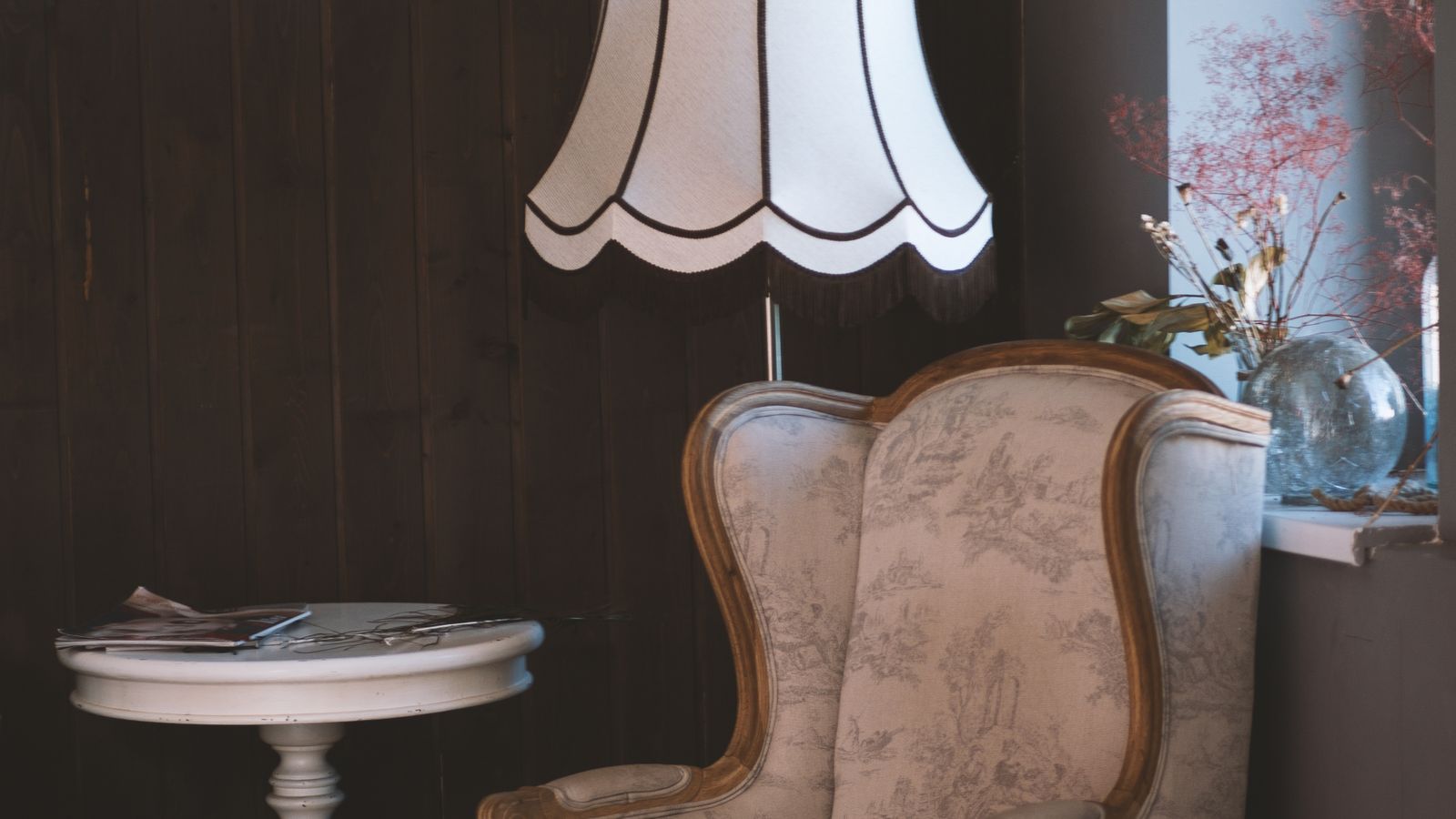
Furnishing a home in one go produces something that looks finished and feels like a showroom. The rooms people actually gravitate towards tend to have accumulated.
This is inconvenient if you have just moved and want the place to feel like yours. But there is a real difference between a room that was decided and a room that was arrived at.
The showroom problem
When everything is bought in a single pass, every object is answering the same brief: match the others, fill the space, look intentional. Nothing is there because it earned its way in over time.
The result photographs well and reads as slightly hollow, and most people cannot say why.
Letting the room tell you
A corner that gets used every morning for coffee will eventually tell you what it needs — a small table, better light, somewhere to put the cup down. That is information you cannot get from a mood board, because it comes from the room being lived in.
The cost is that the room stays unresolved for a while. That is the trade.
On keeping things
The other half of this is being slow to throw things out. Not hoarding: noticing which objects have quietly become part of how a room works, and not replacing them because something newer arrived.
A chair that is slightly too low but has been in the family for thirty years is doing something a better chair is not.
The point is not that planning is bad. It is that a home is a long conversation with a space, and the people who treat it as a project to be completed tend to stop listening.